
What we offer
Shared Facilities – ONIT Smart Manufacturing Hub
ONIT provides shared access to advanced Industry 4.0 technologies, enabling organisations to experiment, validate, and scale innovation without heavy capital investment.
Our Shared IR4.0 Technology Capabilities
Together, we drive innovation in manufacturing operations through technology integration, smart solutions, and industry-focused development initiatives
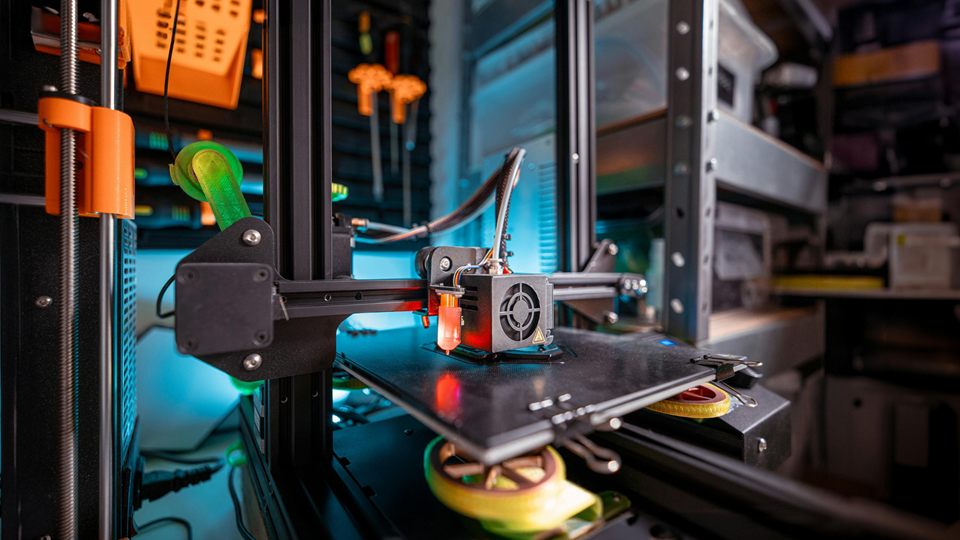
Additive Manufacturing
Additive manufacturing (AM), commonly known as 3D printing, is an industrial production process that creates three-dimensional objects by depositing materials layer-by-layer based on a digital model.
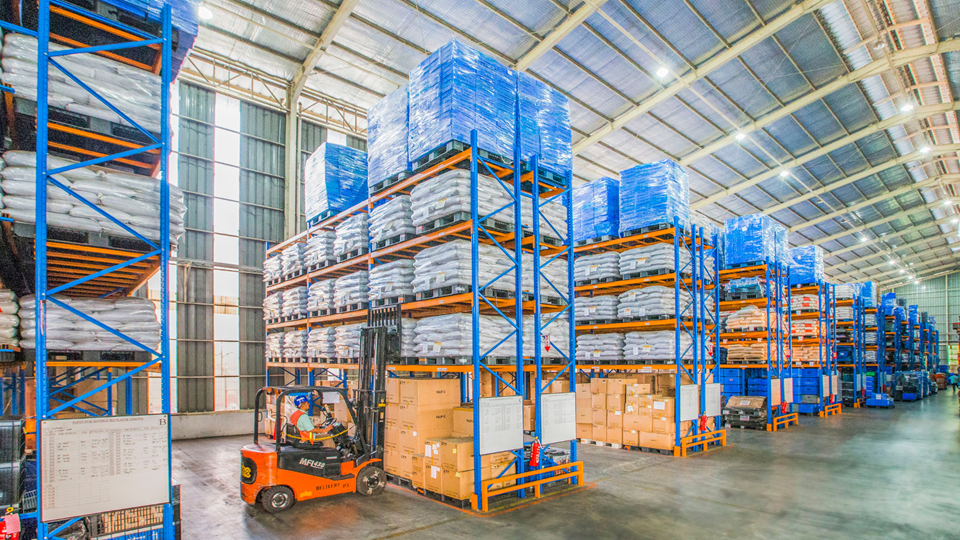
Smart Factory Implementation
Our approach includes digital readiness assessment, roadmap development, system integration, and performance optimisation. By enabling real-time visibility across production processes, we help organisations achieve higher productivity, improved quality control, reduced downtime, and data-driven decision-making.
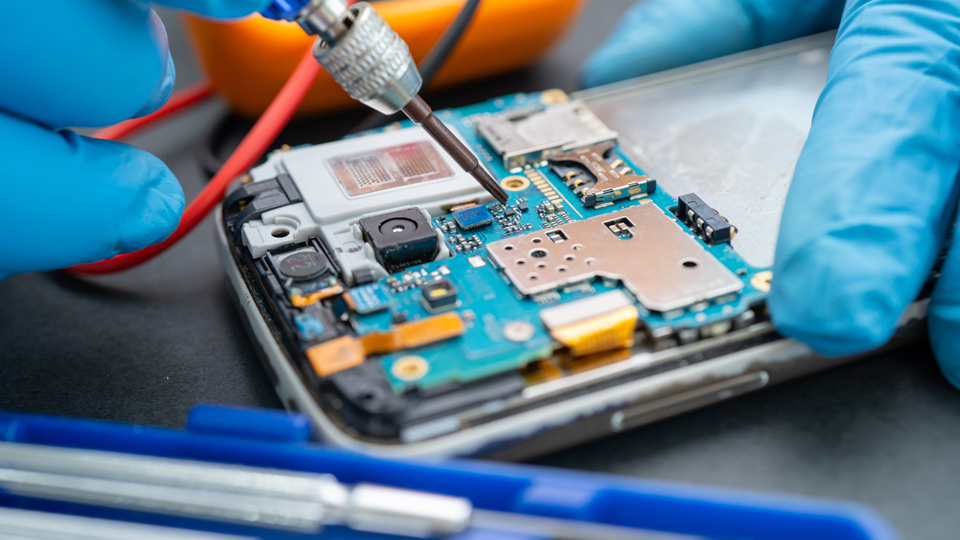
Industrial IoT(IIoT) Integration
Through secure data acquisition and real-time monitoring, we enable predictive maintenance, energy optimisation, asset tracking, and operational transparency. Our integration framework ensures interoperability between legacy systems and modern digital platforms, creating a scalable and future-ready infrastructure.
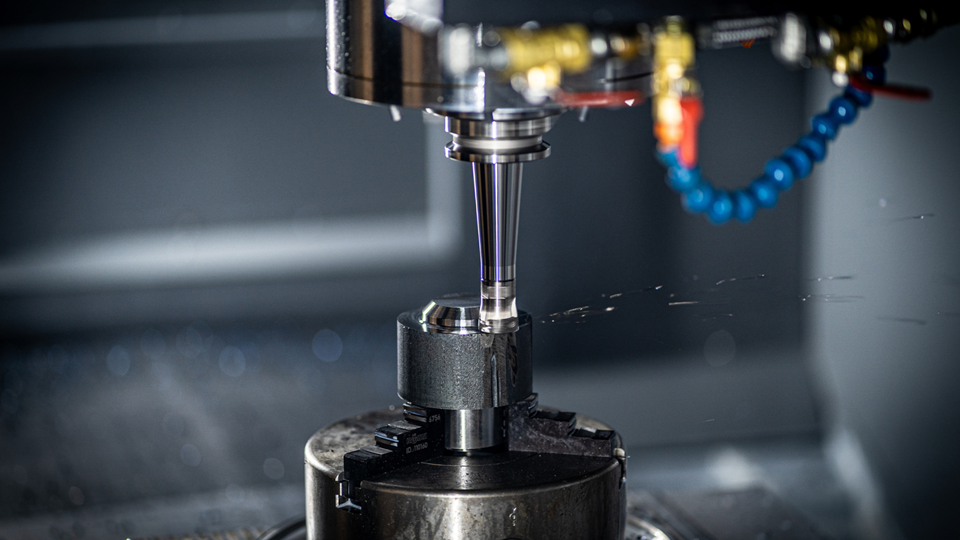
AI & Machine Learning
From anomaly detection and defect recognition to demand prediction and process parameter optimisation, our AI-driven solutions improve accuracy, efficiency, and consistency across manufacturing operations. Our focus is not experimentation — but scalable, enterprise-grade AI implementation that delivers tangible ROI and competitive advantage.

Predictive & Descriptive Analytics
Descriptive analytics provides real-time dashboards and performance insights, enabling leadership teams to understand production trends, bottlenecks, and KPIs. Predictive analytics utilises historical data and machine learning algorithms to forecast equipment failures, demand fluctuations, and process deviations.

Digital Twin & Simulation
Through simulation and scenario modelling, organisations can test process
improvements, evaluate production capacity, optimise layouts, and predict
performance outcomes before physical implementation.
This reduces risk, lowers capital expenditure, and accelerates innovation cycles while enhancing strategic planning capabilities.